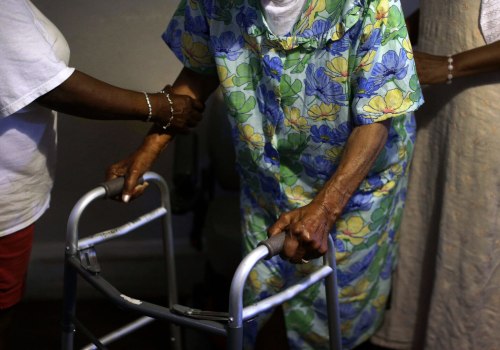
The caregiving profession is at a critical juncture, grappling with a myriad of challenges that significantly impact both caregivers and the individuals they serve. Among these challenges, the issue of low pay stands out as a pressing concern that not only affects the livelihood of caregivers but also the quality of home services provided to vulnerable populations. Caregivers, who often dedicate their lives to ensuring the well-being of others, find themselves in a system that undervalues their essential contributions. This disparity raises important questions about the sustainability of caregiving as a profession and the implications for those who rely on these vital services.Many caregivers are driven by a deep sense of compassion and commitment, yet they are often met with financial instability due to inadequate compensation.
The reality is stark: despite the demanding nature of their work, which includes physical, emotional, and sometimes medical support, caregivers frequently receive wages that are not commensurate with their responsibilities. This low pay not only affects their personal lives but also has broader implications for the quality of care provided in home settings. When caregivers struggle to make ends meet, it can lead to high turnover rates and burnout, ultimately compromising the care recipients' experience.Understanding the complexities surrounding caregiver compensation is crucial for addressing this crisis. Factors such as funding structures, reimbursement rates from government programs like Medicaid, and the lack of collective bargaining power contribute to this ongoing issue.
As we delve deeper into the struggles faced by caregivers, it becomes evident that improving their compensation is not just a matter of fairness; it is essential for enhancing the overall quality of home services. By recognizing and addressing these challenges, we can begin to pave the way for a more equitable and sustainable caregiving landscape.
The Financial Landscape of Caregiving
The financial landscape of caregiving is complex and often disheartening. Caregivers, who provide essential services to the elderly and disabled, frequently find themselves grappling with inadequate compensation. This situation is largely influenced by the funding structures of government programs, particularly Medicaid, which plays a pivotal role in determining caregiver salaries.Medicaid is a significant source of funding for home care services, yet it is often underfunded.This underfunding leads to a trickle-down effect where caregivers receive minimal pay for their critical work. According to recent studies, many caregivers earn less than the federal minimum wage when factoring in the hours they dedicate to their clients. The reliance on Medicaid means that caregivers are often at the mercy of state budgets and policy decisions, which can fluctuate dramatically based on political priorities.Moreover, the reimbursement rates set by Medicaid do not reflect the true cost of providing quality care. As a result, many home care agencies struggle to offer competitive wages to attract and retain skilled caregivers.
This financial strain not only affects the caregivers but also compromises the quality of care provided to clients. When caregivers are overworked and underpaid, it can lead to burnout and high turnover rates, further exacerbating the staffing crisis in the industry.In addition to Medicaid's impact, other financial challenges persist within the caregiving sector. Many caregivers are classified as independent contractors rather than employees, which means they lack access to benefits such as health insurance, paid time off, and retirement plans. This classification can leave them vulnerable to economic instability, especially during times of personal or family emergencies.Furthermore, the lack of a diverse payment structure in home care services limits caregivers' ability to negotiate better salaries.
Unlike other professions where multiple funding sources exist, most caregivers depend solely on government reimbursements or private pay from families who may also be financially strained. This narrow focus on funding sources makes it difficult for caregivers to advocate for fair compensation.Ultimately, addressing these financial challenges requires systemic change. Advocates for caregivers are calling for increased funding for Medicaid and other support programs that can help elevate caregiver salaries. By improving the financial landscape of caregiving, we can ensure that those who dedicate their lives to caring for others receive the respect and compensation they deserve.
Single Payer System: A Barrier to Fair Wages
The single payer systemsingle payer system in the home care industry presents significant challenges for caregivers, particularly when it comes to their wages and overall job satisfaction.This system, which primarily relies on government funding, limits the financial resources available for compensating caregivers adequately. As a result, many caregivers find themselves in a precarious position where their hard work is not reflected in their paychecks.One of the most pressing issues with a single payer system is the lack of payment diversity. Unlike other professions where multiple payment sources can lead to competitive wages, caregivers often depend solely on government reimbursements. This reliance creates a stagnant wage environment where caregivers have little room to negotiate for better pay or benefits.
The absence of alternative funding sources means that even skilled and experienced caregivers are often forced to accept lower wages simply because there are no other options available.Furthermore, the single payer model can lead to a cycle of underfunding. When budgets are tight, state and federal programs may prioritize other areas of healthcare over home care services. This results in lower reimbursement rates for home health agencies, which in turn affects the salaries that caregivers receive. The lack of investment in caregiver wages not only impacts their financial stability but also contributes to high turnover rates within the industry.Caregivers face additional challenges when attempting to negotiate their salaries.
Without a union or collective bargaining power, individual caregivers often feel powerless against the established pay structures dictated by government programs. This lack of representation makes it difficult for them to advocate for fair compensation or improved working conditions. Many caregivers are left feeling undervalued and overworked, leading to burnout and job dissatisfaction.In conclusion, the implications of a single payer system extend far beyond just financial limitations; they create an environment where caregivers struggle to achieve fair wages and benefits. Addressing these issues requires a reevaluation of funding models and a commitment to diversifying payment sources within the home care sector.
Only then can we hope to see meaningful changes that benefit both caregivers and the individuals they serve.
The Role of Unions in Caregiver Advocacy
Unions play a pivotal role in advocating for the rights of workers across various industries, and the caregiving sector is no exception. However, the absence of union representation for many caregivers significantly impacts their working conditions and compensation. Understanding this dynamic is crucial for addressing the challenges faced by caregivers.Why Most Caregivers Lack Union Representation
One of the primary reasons caregivers often lack union representation is the fragmented nature of the home care industry. Unlike other sectors where employees work in centralized locations, caregivers frequently operate in clients' homes, making it challenging to organize collectively.
This geographical dispersion complicates efforts to form unions, as caregivers may not have regular contact with one another.Additionally, many caregivers are employed on a part-time or contractual basis, which further complicates unionization efforts. These employment models often lead to a lack of job security and benefits, making it difficult for caregivers to commit to union activities or advocacy efforts. The transient nature of the workforce also contributes to high turnover rates, which can deter long-term union organization.
The Impact of Union Absence on Working Conditions
The absence of unions leaves caregivers vulnerable to exploitation and unfair treatment. Without collective bargaining power, they often have little leverage to negotiate for better wages, benefits, or working conditions.
This lack of representation can result in:
- Low Wages: Caregivers frequently receive compensation that does not reflect the demanding nature of their work. Without unions advocating for fair pay, many are left accepting whatever wages are offered.
- Poor Working Conditions: Caregivers may face unsafe or unsatisfactory working environments without the support of a union to address these issues.
- Lack of Benefits: Many caregivers do not receive essential benefits such as health insurance, paid time off, or retirement plans due to the absence of collective bargaining.
The Need for Collective Bargaining
Collective bargaining is a powerful tool that allows workers to negotiate terms of employment as a unified group. For caregivers, this could mean advocating for:
- Higher Wages: Unions can push for wage increases that reflect the true value of caregiving work.
- Better Training Opportunities: Unions can advocate for training programs that enhance skills and improve job performance.
- Improved Job Security: With union support, caregivers can negotiate contracts that provide greater job stability and protections against unjust termination.
High Turnover Rates: A Cycle of Low Pay
The caregiving industry is plagued by high turnover rates, which create a vicious cycle that perpetuates low pay and instability.This cycle not only affects the caregivers themselves but also the quality of care provided to clients. Understanding the factors that contribute to this turnover is essential for addressing the underlying issues.One of the primary reasons for high turnover rates among caregivers is the lack of competitive compensation. Many caregivers leave their positions in search of better-paying jobs, often in other sectors that offer more attractive salaries and benefits. This constant movement creates a workforce that is not only unstable but also less experienced, as new hires may lack the necessary training and familiarity with their clients' needs.Employers in the caregiving sector often hesitate to invest in training and development for their staff due to the unpredictability of employee retention.
When caregivers frequently leave, the costs associated with training new hires can quickly add up, leading employers to adopt a short-sighted approach. Instead of fostering a stable workforce through investment in training and higher wages, many organizations opt for minimal training and lower pay, which only exacerbates the turnover problem.Moreover, the emotional toll of caregiving work can lead to burnout, further contributing to high turnover rates. Caregivers often face challenging situations, including dealing with clients who have complex medical needs or behavioral issues. Without adequate support and resources, many caregivers find themselves overwhelmed and choose to leave the profession altogether.To break this cycle, it is crucial for employers to recognize the value of investing in their workforce.
By offering competitive wages, comprehensive training programs, and supportive work environments, organizations can improve employee satisfaction and retention. This not only benefits caregivers but also enhances the quality of care provided to clients.In conclusion, addressing high turnover rates in the caregiving industry requires a multifaceted approach that includes better pay, investment in training, and support systems for caregivers. Only by tackling these challenges can we hope to create a more stable and effective caregiving workforce.
The Nature of Caregiving Work: Unique Challenges
Caregiving is a profession that encompasses a wide range of responsibilities, often requiring a unique blend of skills and emotional resilience. Unlike traditional jobs where employees can work set hours in a single location, caregivers frequently face the challenge of traveling between multiple clients' homes.This travel time can significantly impact their overall earnings, as it often goes unpaid.Many caregivers find themselves spending substantial portions of their day commuting. For instance, a caregiver may have back-to-back appointments with clients living in different neighborhoods, leading to long stretches of time spent on the road. This not only reduces the number of billable hours they can work but also adds to their stress levels as they juggle tight schedules. The lack of compensation for travel time is a critical factor that contributes to the low pay in this field.In addition to travel challenges, the nature of caregiving tasks can vary widely from one client to another.
Caregivers may be responsible for personal care, medication management, meal preparation, and companionship, among other duties. Each task requires different skills and levels of emotional investment, which can be exhausting over time. The demands of the job are often compounded by the emotional weight of caring for individuals who may be experiencing significant health challenges or cognitive decline.Moreover, caregivers often work irregular hours, including evenings and weekends, to accommodate their clients' needs. This unpredictability can make it difficult for caregivers to maintain a stable work-life balance.
Unlike other healthcare professionals who may have more predictable schedules, caregivers must remain flexible and available at all times, which can lead to burnout.Ultimately, the combination of unpaid travel time, diverse job demands, and irregular hours creates a challenging work environment that contributes to the low pay caregivers receive. Addressing these issues is essential not only for improving compensation but also for enhancing the quality of care provided to those who rely on these vital services.
Technological Advancements: A Double-Edged Sword?
In recent years, the integration of technology in caregiving has sparked a significant transformation in how care is delivered. While many view these advancements as a means to enhance efficiency and quality of care, they also present a complex set of challenges and implications for caregivers' salaries.One of the most notable innovations is the emergence of robotic caregivers. These machines are designed to assist with various tasks, from medication management to mobility support.For instance, robotic systems can help elderly individuals maintain their independence by providing reminders for medication or assisting with daily activities. This not only improves the quality of life for clients but also allows human caregivers to focus on more personalized aspects of care.However, the introduction of robotic caregivers raises questions about the future role of human caregivers. As technology takes on more responsibilities, there is potential for increased productivity among caregivers. With robots handling routine tasks, caregivers can dedicate more time to emotional support and complex care needs, which are irreplaceable by machines.Despite these benefits, the implications for salary are multifaceted.
On one hand, enhanced productivity could lead to higher wages as caregivers become more efficient and valuable in their roles. On the other hand, there is a risk that reliance on technology may lead employers to justify lower wages for human workers, arguing that machines can perform many tasks at a fraction of the cost.Moreover, the initial investment in technology can be substantial. Many home care agencies may hesitate to adopt these innovations due to high costs, which could further perpetuate low pay for caregivers if funding does not increase accordingly. Therefore, while technological advancements hold promise for improving care delivery and potentially boosting salaries, they also necessitate careful consideration of how they will impact the workforce.Ultimately, the challenge lies in finding a balance where technology complements rather than replaces human care.
As we move forward, it is crucial for stakeholders in the caregiving industry to advocate for fair compensation that reflects both the evolving landscape of caregiving and the invaluable contributions of human caregivers.
Policy Changes Needed for Better Compensation
To address the pressing issue of low compensation for caregivers, significant policy reforms are essential. These reforms should focus on increasing funding for home health care services, which would directly impact caregiver salaries and improve the overall quality of care provided to clients.One of the most effective ways to achieve this is through state interventions that adjust reimbursement rates for home health care providers. By increasing these rates, states can ensure that providers have the financial resources necessary to offer competitive wages to their caregivers. This not only helps retain skilled workers but also attracts new talent to the field, which is crucial given the high turnover rates currently plaguing the industry.Moreover, state officials can advocate for policies that prioritize funding for home services.This could include:
- Increased Medicaid reimbursements: Many caregivers rely on Medicaid funding, and higher reimbursement rates would allow providers to pay their staff more adequately.
- Grants and subsidies: States could offer financial incentives to home health agencies that demonstrate a commitment to fair wages and benefits for their employees.
- Training and development programs: Investing in training programs can enhance caregiver skills, leading to better job performance and higher wages.
<strong>Conclusion: The Path Forward for Caregivers</strong>
As we reflect on the challenges faced by caregivers, it becomes increasingly clear that addressing the issue of low pay is not just a matter of fairness; it is essential for the sustainability and quality of home services.Caregivers are the backbone of our healthcare system, providing invaluable support to those who need it most. However, their compensation does not reflect the critical nature of their work.To pave the way for a brighter future for caregivers, several key strategies must be considered:
- Advocacy for Policy Change: It is crucial for stakeholders, including caregivers, families, and community organizations, to advocate for policy changes that prioritize funding for home health services. Increased reimbursement rates from government programs like Medicaid can directly impact caregiver salaries.
- Public Awareness Campaigns: Raising awareness about the importance of caregiving roles can help shift public perception and garner support for better pay. Campaigns that highlight personal stories and the impact of caregiving can mobilize communities to demand change.
- Support for Unionization: Encouraging caregivers to unionize can provide them with a collective voice to negotiate better wages and benefits.
Unions can advocate for fair compensation and improved working conditions, ensuring that caregivers are treated with the respect they deserve.
- Investment in Training and Development: Providing opportunities for professional development can enhance caregivers' skills and qualifications, making them more competitive in the job market. This investment can lead to higher wages as caregivers become more skilled and valuable.