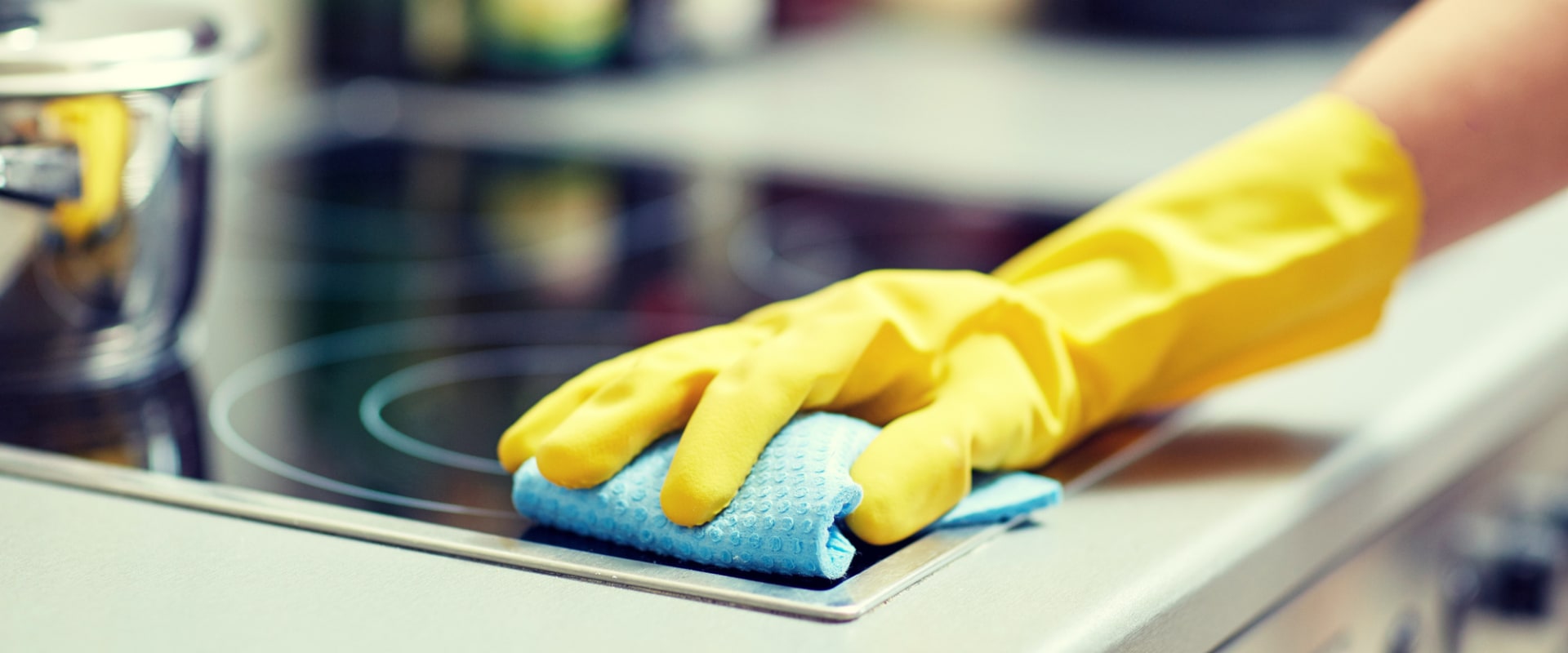
At Jiffy Junk, we find leftover acetone most often after deep cleans and appliance projects, and the same mistakes repeat: dumping it down the sink or tossing it in the trash “because it’s just a little.” This safety-first guide shows how to dispose of acetone the right way to store, handle, and dispose of used acetone so you stay safe and rule-compliant without guessing.
TL;DR Quick Answers
How to Dispose of Acetone
Treat acetone like household hazardous waste. Keep it sealed, upright, and away from heat, then take it to a local HHW drop-off site or collection event. At Jiffy Junk, we see the biggest problems when people dump it in sinks or toss it in kitchen trash—if it still pours, don’t guess.
Top Takeaways
Used acetone is often contaminated. Treat it like hazardous waste.
Don’t dump it down the drain. Don’t toss liquid acetone in trash.
Keep it away from kitchen heat sources. It’s flammable.
Seal it, contain it, store it upright until HHW disposal.
Rule: if it strips grime, it can create a hazard.
Why Acetone Cleanup Waste Is Different in a Kitchen
Acetone is often used to remove grease, adhesive residue, and stubborn grime from appliance parts. But once you’ve used it, you’re no longer dealing with “clean acetone.” You’re dealing with a flammable solvent that may now contain:
grease and oil
adhesive residue
paint or coating particles
food grime
That makes disposal more important, because contaminated acetone behaves like hazardous waste and can create stronger odors and fumes.
Step-by-Step: How to Dispose of Acetone After Cleaning Kitchen Appliances
The safest method is to treat leftover acetone as household hazardous waste and avoid shortcuts.
Step 1: Let the Appliance and Area Cool Completely
Never handle acetone near heat. Before you store or dispose of it, make sure:
burners are off
oven is cool
appliance motors/fans are off
nearby outlets and power strips are clear of spills
Kitchen heat sources and acetone fumes are a bad combination.
Step 2: Collect Used Acetone Safely (Don’t Leave It in an Open Bowl)
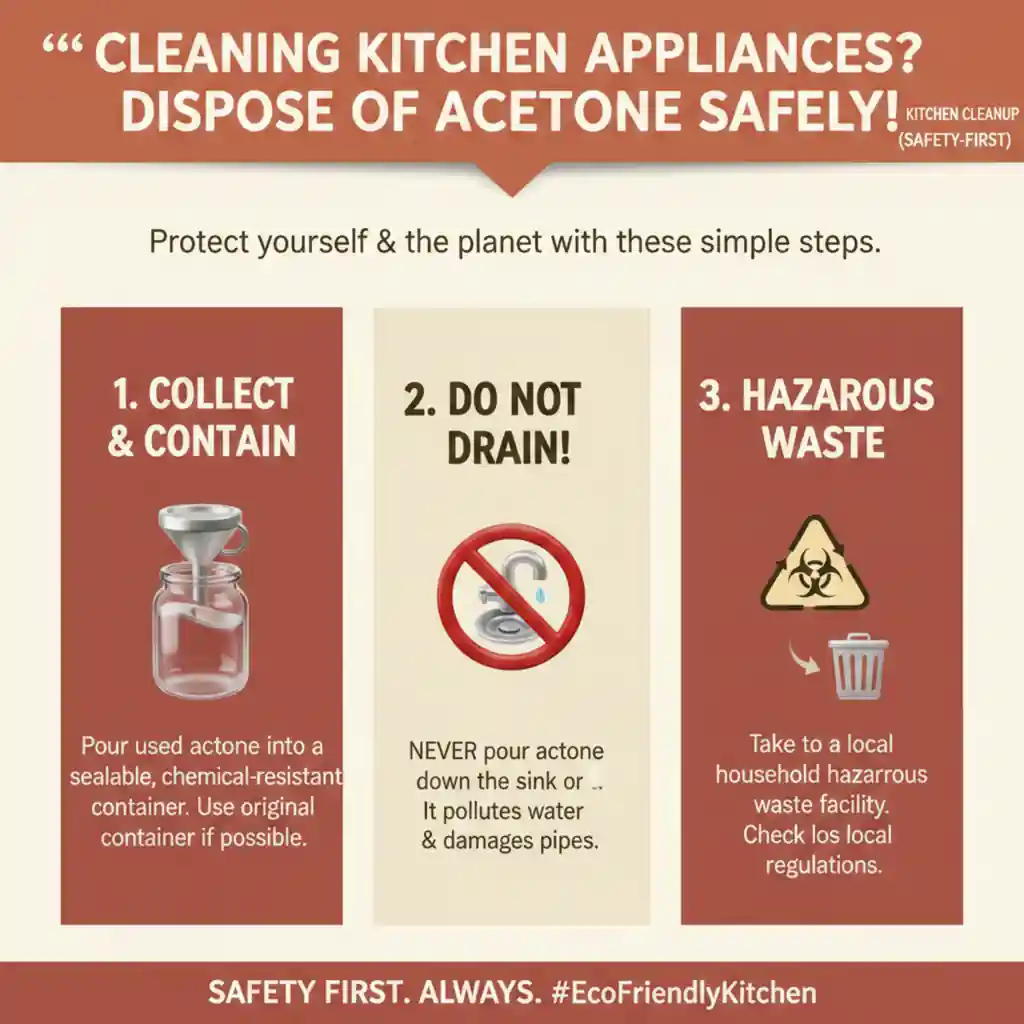
If you use acetone in a container, do not leave it open on the counter. Transfer it into a sealed, solvent-safe container if needed and label it clearly.
If you used acetone on cloths or paper towels, treat those as hazardous too.
Step 3: Separate and Contain Acetone-Soaked Towels or Rags
Used towels can hold fumes and stay flammable longer than people expect.
Store them in a sealed container (or sealed bag inside a container) until you can dispose of them properly. Do not toss them loose into kitchen trash.
Step 4: Store It Away From Heat and Food Areas
Short-term storage should be:
upright
tightly sealed
away from the stove, oven, or sunlight
away from food, dishes, and pantry areas
A garage or outdoor shed is often safer than a kitchen cabinet, as long as it’s ventilated and away from ignition sources.
Step 5: Use a Household Hazardous Waste (HHW) Drop-Off Program
For most homeowners, the best option is a local HHW drop-off or collection event. These programs are designed to handle flammable solvents safely and legally.
If you’re unsure where to go, check your city/county hazardous waste program listings.
What NOT to Do After Using Acetone in the Kitchen
Avoid these common disposal mistakes:
pouring acetone down the sink or garbage disposal
pouring acetone into the toilet
throwing liquid acetone into kitchen trash
leaving acetone open to “air out” indoors
mixing acetone with other cleaners (especially bleach or ammonia products)
These shortcuts create fumes, fire risk, and possible local disposal violations.
When to Call for Help
If you have multiple containers, unknown mixtures, or strong fumes, it may be safer to get help. At Jiffy Junk, we often see leftover solvents bundled with other cleaning chemicals after home projects, and mixing or mislabeling is where accidents happen.
If the acetone is contaminated, unlabeled, or leaking, treat it like hazardous waste and remove it safely with junk removal services instead of trying to “make it work” at home.
“After appliance cleanups, acetone is one of the most common leftovers we see—and it’s rarely ‘just acetone’ anymore. At Jiffy Junk, we find it mixed with grease, adhesive residue, and dirty rags, which makes it more hazardous than people realize. The biggest mistake homeowners make is treating it like normal kitchen waste. Our rule is simple: once acetone touches grime, store it sealed, keep it away from heat, and take it to proper HHW disposal instead of risking fumes or fire in the one room full of ignition sources in private home care settings where safety and indoor air quality matter even more.”
Essential Resources
EPA Household Hazardous Waste (HHW) Guide — Why Acetone Disposal Matters
Before you guess on disposal, start here. This EPA resource explains why common solvents like acetone should be treated as household hazardous waste and routed through proper collection programs—just like we recommend in every cleanup to keep you safe and compliant.
https://www.epa.gov/hw/household-hazardous-waste-hhw
EPA Waste Regulations Overview — The Rules Behind Hazardous Solvent Disposal
Curious why you can’t pour solvents down the sink or toss them in your trash? This federal overview breaks down the waste regulations that guide proper handling, giving context to the disposal standards we follow on every job.
https://www.epa.gov/regulatory-information-topic/regulatory-and-guidance-information-topic-waste
Florida DEP Household Hazardous Waste Program — State-Level Disposal Guidance
This state environmental agency page explains how household hazardous waste collection programs operate and why they exist, giving you insight into how disposal looks beyond federal law—something we check with local partners before every service.
https://floridadep.gov/waste/permitting-compliance-assistance/content/household-hazardous-waste
CloudSDS Acetone Disposal Guide — Deep Dive on Safety + Compliance
Looking for more technical detail? This guide explains acetone’s hazards and disposal pathways in depth, similar to the thorough assessments our teams do when we handle solvents and other chemicals during cleanouts.
https://cloudsds.com/chemical-hazard-and-safety/how-do-you-dispose-of-acetone-safely-and-legally/
Dispose Cleverly Acetone Disposal Tips — Practical Homeowner Advice
This resource translates safety into action with hands-on disposal tips. It reinforces what we tell homeowners: avoid drains, check local guidelines, and use proper hazardous waste options instead of shortcuts.
https://www.disposecleverly.com/dispose-of-acetone-safely/
ChemCafe Acetone Disposal Methods — Safe Methods + What Not to Do
Here’s a quick way to learn both safe disposal strategies and common pitfalls (like dumping acetone outdoors). It echoes the practical “do this, not that” guidance we give during every appliance and workshop cleanup.
https://chemcafe.net/chemistry/how-to-dispose-of-acetone-5826/
Miami County Recycling Material Disposal Guide — Local Acceptance Example
A real-world example of how a county household hazardous waste program handles solvents like acetone at drop-off sites. It’s the kind of local disposal structure we point clients toward when scheduling pickups.
https://www.miamicountyrecycles.org/material-disposal-guide
These essential resources are especially helpful for a garage cleanout because they explain how to safely store, handle, and legally dispose of acetone and other solvents instead of tossing them into regular trash.
Supporting Statistics
Hazardous waste builds up in homes
Average household generates 20+ lbs of household hazardous waste per year
Up to 100 lbs can accumulate at home
Jiffy Junk insight: We see acetone get pushed into cabinets after projects until it becomes a disposal problem.
Source (EPA): https://archive.epa.gov/region9/waste/archive/web/html/house.html
Acetone fumes have real exposure limits
NIOSH REL: 250 ppm (TWA)
OSHA PEL: 1,000 ppm (TWA)
Jiffy Junk insight: A loose cap in a kitchen can make the air feel harsh fast.
Source (CDC/NIOSH): https://www.cdc.gov/niosh/npg/npgd0004.html
Kitchens are already a fire hotspot
170,000 home cooking fires (2021)
135 deaths, 3,000 injuries
$494M+ in property loss
Jiffy Junk insight: That’s why acetone should never be stored near stoves, ovens, or kitchen trash.
Source (USFA/FEMA): https://www.usfa.fema.gov/prevention/home-fires/prevent-fires/cooking/
Acetone ignites easily
Flash point: 0°F
Jiffy Junk insight: Acetone behaves more like fuel than a cleaner once it’s in your home.
Source (OSHA): https://www.osha.gov/chemicaldata/476
Final Thought & Opinion
Acetone works well for cleaning appliances, but the biggest safety risk happens after the cleaning is done. Once it picks up grease and grime, it should be treated like a flammable, contaminated solvent.
Safest next steps
Seal it
Contain it
Keep it away from heat
Use a proper HHW drop-off option
Jiffy Junk’s real-world opinion
Kitchens are where people make the most dangerous acetone mistakes because disposal feels “easy.” We’ve seen it left open, placed near stoves, or tossed in kitchen trash. In a room full of ignition sources, acetone should be treated like fuel, not cleaner.
FAQ on How to Dispose of Acetone
Q: Can I pour acetone down the kitchen sink or garbage disposal?
A: Usually, no. It’s a flammable solvent. Kitchens have heat sources. HHW drop-off is the safest option.
Q: Can I throw acetone-soaked paper towels in the trash?
A: Not immediately. They can stay flammable and hold fumes. Seal them in a safe container until proper disposal.
Q: What’s the safest way to dispose of acetone after cleaning appliances?
A: Seal it, label it, and take it to an HHW drop-off or collection event. Once it’s dirty, treat it as hazardous.
Q: Is it safe to leave acetone open to “air out” after cleaning?
A: No. Fumes build up fast indoors. Keep it sealed and away from heat.
Q: What should I do if acetone spills in the kitchen?
A: Ventilate immediately. Turn off heat and flames. Absorb the spill and remove cleanup waste safely. Get help if fumes are strong or the spill is large.