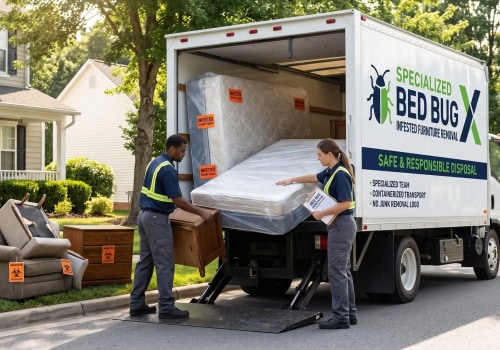
This guide is built from real bed bug removal jobs our teams handle every week, highlighting the specific tools that prevent bugs from escaping, protect you during handling, and reduce the risk of reinfestation—so removal actually solves the problem instead of extending it.
TL;DR Quick Answers
Bed Bug Furniture Removal
Safe bed bug furniture removal depends on containment, not speed.
Seal furniture completely before moving it
Use heavy-duty plastic, strong tape, and protective gear
Move items directly out—no dragging or stopping
Follow local disposal rules
From real removal experience, bed bugs spread when furniture is moved unsealed—not when it’s removed correctly.
Top Takeaways
Tools matter most. Containment tools prevent bed bug spread.
Preparation comes first. Mistakes happen before furniture is moved.
Small gaps cause big issues. One missed seam can restart an infestation.
Use proper materials. Heavy plastic, strong tape, and protective gear are essential.
Know when to stop. If tools or steps are unclear, professional removal is safer.
Safely removing bed bugs–infested furniture depends far more on preparation than physical effort. From real-world removals, we’ve learned that the right tools in private hоmе саrеinfestation prevent bed bugs from escaping, spreading, or hitchhiking to new areas during the process. Below are the essential tools and why each one matters.
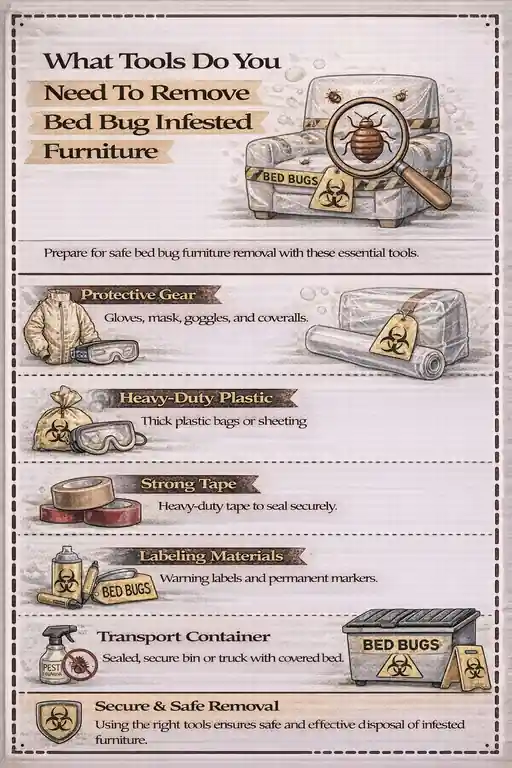
Heavy-Duty Plastic Wrap or Mattress Bags
Thick plastic wrap, contractor bags, or zippered mattress encasements are the most important tools you’ll use. Furniture should be fully sealed before it’s moved, not after. This containment step is what stops bed bugs and eggs from dropping off during transport.
Strong Packing Tape
High-quality packing or duct tape is critical for sealing seams, openings, and corners. Weak tape fails under weight and movement—something we frequently see on DIY jobs that go wrong.
Disposable Gloves and Protective Clothing
Gloves, shoe covers, and disposable coveralls reduce the chance of bed bugs transferring to your clothes or skin. Anything worn during removal should be bagged and washed immediately afterward.
Vacuum with a HEPA Filter
A HEPA-filter vacuum helps remove visible bed bugs and eggs from seams and cracks before sealing furniture. While vacuuming alone won’t solve an infestation, it significantly reduces escape risk during removal.
Marker and Warning Labels
Clearly labeling infested furniture prevents others from taking it and helps ensure it’s handled appropriately during disposal. Many municipalities require this step.
Flashlight and Basic Tools
A flashlight helps spot activity in dark seams and joints, while basic tools (like screwdrivers) may be needed to disassemble furniture for better sealing and safer transport.
Using the right tools doesn’t guarantee bed bugs are eliminated—but it dramatically lowers the risk of spreading the infestation during furniture removal, which is the most common and costly mistake we see.
“From what we see on real bed bug removal jobs, the biggest mistake isn’t how people move furniture—it’s what they don’t bring with them. When the right tools are used, bed bugs stay contained. When they aren’t, the infestation travels. Containment tools matter more than muscle every time.”
Essential Resources
These trusted, authoritative resources are curated to match the real-world, containment-first approach Jiffy Junk uses on thousands of bed bug furniture removals nationwide. They help you confirm infestations, handle items safely, and make informed decisions before removal.
EPA Bed Bugs Overview — Official Government Insight on Bed Bug Behavior
https://www.epa.gov/bedbugs
The EPA’s central bed bug hub explains how bed bugs spread and why containment is critical before moving infested furniture through your home. This foundational context supports safer removal decisions.
EPA Bed Bug Prevention & Detection — Practical Steps to Spot and Secure Infested Items
https://www.epa.gov/bedbugs/bed-bug-prevention-detection-and-control
This resource provides clear, actionable inspection and containment tips—essential before any furniture is wrapped or hauled away.
EPA Local Bed Bug Assistance — Find Rules and Support in Your Area
https://www.epa.gov/bedbugs/local-resources-bed-bug-assistance
Disposal requirements vary by state and city. This guide connects you to local health departments and support programs so you follow the correct procedures.
EPA Bed Bug Information Clearinghouse — Curated Educational Materials
https://www.epa.gov/bedbugs/bed-bug-information-clearinghouse
A library of vetted resources from government and academic sources on safe control, prevention, and removal methods—from containment to long-term management.
Purdue University Furniture Disposal Guide — Research-Backed Disposal Practices
https://extension.entm.purdue.edu/bedbugs/furnitureDisposal.php
This extension service walk-through shows how to assess furniture condition and decide when treatment or disposal makes the most sense.
CDC Bed Bugs Overview — Public Health Context and Spread Patterns
https://www.cdc.gov/bed-bugs/about/index.html
CDC insights explain how bed bugs spread and hide, helping you understand why sealed removal is so important for health and containment.
EPA Bed Bug Laws & Regulations — Disposal and Compliance Requirements
https://www.epa.gov/bedbugs/bed-bug-laws-and-regulations
This source outlines the legal and regulatory landscape for bed bug handling and disposal, helping you avoid fines and ensure responsible removal.
Together, these trusted resources reinforce Jiffy Junk’s containment-first process, helping you confirm infestations, handle items safely, and know when a junk removal service is the safest option to prevent bed bugs from spreading during furniture removal.
Supporting Statistics
These figures reflect what our teams see every day on real bed bug removal jobs—the problem is common, often misidentified, and easy to spread without proper handling.
Bed bugs exist nationwide
Reported in all 50 U.S. states
Affects homes, apartments, hotels, and multi-unit buildings
Source: NPMA
https://www.pestworld.org/all-things-bed-bugs/bed-bug-facts-statistics/Bed bug infestations are frequently active
Over 80% of pest professionals treat bed bugs each year
Many infestations are well-established before furniture is removed
Source: NPMA
https://www.pestworld.org/news-hub/pest-articles/bed-bug-survey-results-facts/Bed bugs are often misidentified
Fewer than 1 in 3 Americans can correctly identify bed bugs
Infested furniture is commonly mistaken as “not affected”
Source: NPMA
https://www.pestworld.org/news-hub/pest-articles/bed-bug-survey-results-facts/
These statistics show why recognizing the signs of bed bug infestation early matters—because bed bugs are nationwide, often misidentified, and commonly spread when furniture is moved or removed without proper containment.
Final Thought & Opinion
The success of bed bug furniture removal depends on tools and preparation—not strength or speed. From real removal experience, most problems start when basic containment supplies are missing.
What we see most often:
Furniture moved without being fully sealed
Weak bags or tape failing during transport
Protective gear skipped or reused
Why tools matter:
They keep bed bugs contained
They protect clothing and vehicles
They reduce the chance of reinfestation
Our honest take:
DIY removal can work—but only with the right tools and a containment-first mindset. If sealing materials, protective gear, or disposal steps feel uncertain, that’s usually the moment professional removal becomes the safer option.
FAQ on Bed Bug Furniture Removal
Q: What tools matter most for safe removal?
A:
Heavy-duty plastic or bags
Strong tape
Protective gloves and clothing
Q: Can furniture be removed without wrapping it first?
A:
No.
Unsealed furniture is the top cause of bed bug spread.
Q: Is protective clothing really necessary?
A:
Yes.
Bed bugs easily transfer to clothes and shoes.
Q: Does vacuuming replace sealing furniture?
A:
No.
Vacuuming helps, but sealing prevents escape during transport.
Q: Will removing furniture eliminate bed bugs completely?
A:
No.
Removal reduces risk, but monitoring and treatment are still needed.