Checking your mattress for bed bugs is one of the most reliable ways to detect a bed bug infestation early, before it spreads to furniture, clothing, and other personal belongings. Because bed bugs prefer to stay close to where people sleep, mattresses are often the first place visible signs appear—long before live bugs are noticed. In real-world cleanouts, early clues like dark stains, shed skins, or eggs are almost always found in mattress seams and edges first.
This step-by-step guide shows you how to check your mattress for bed bugs the right way, including where to inspect, what warning signs to look for, and how to tell bed bug evidence apart from harmless marks. By following these steps, you can identify problems sooner, limit spread, and take action before a small issue turns into a costly infestation.
Quick Answers
Bed Bugs
Bed bugs are small, flat, reddish-brown insects that feed on human blood, usually at night. They prefer to hide close to where people sleep, which is why mattresses and box springs are their most common hiding spots. In firsthand inspections, early signs are rarely live bugs—they’re usually dark stains, shed skins, or eggs tucked into seams and crevices. Knowing how to check your mattress properly, along with top duct cleaning, can prevent a minor issue from turning into a full infestation.
Top Takeaways
Mattresses are the most common starting point for bed bug detection
Early signs usually appear before live bugs are visible
Seams, tags, and corners are high-risk hiding areas
Regular inspections reduce spread to furniture
Step-by-step checks save time, stress, and cost
Step-by-Step Mattress Inspection for Bed Bugs
Step 1: Strip the Bed Completely
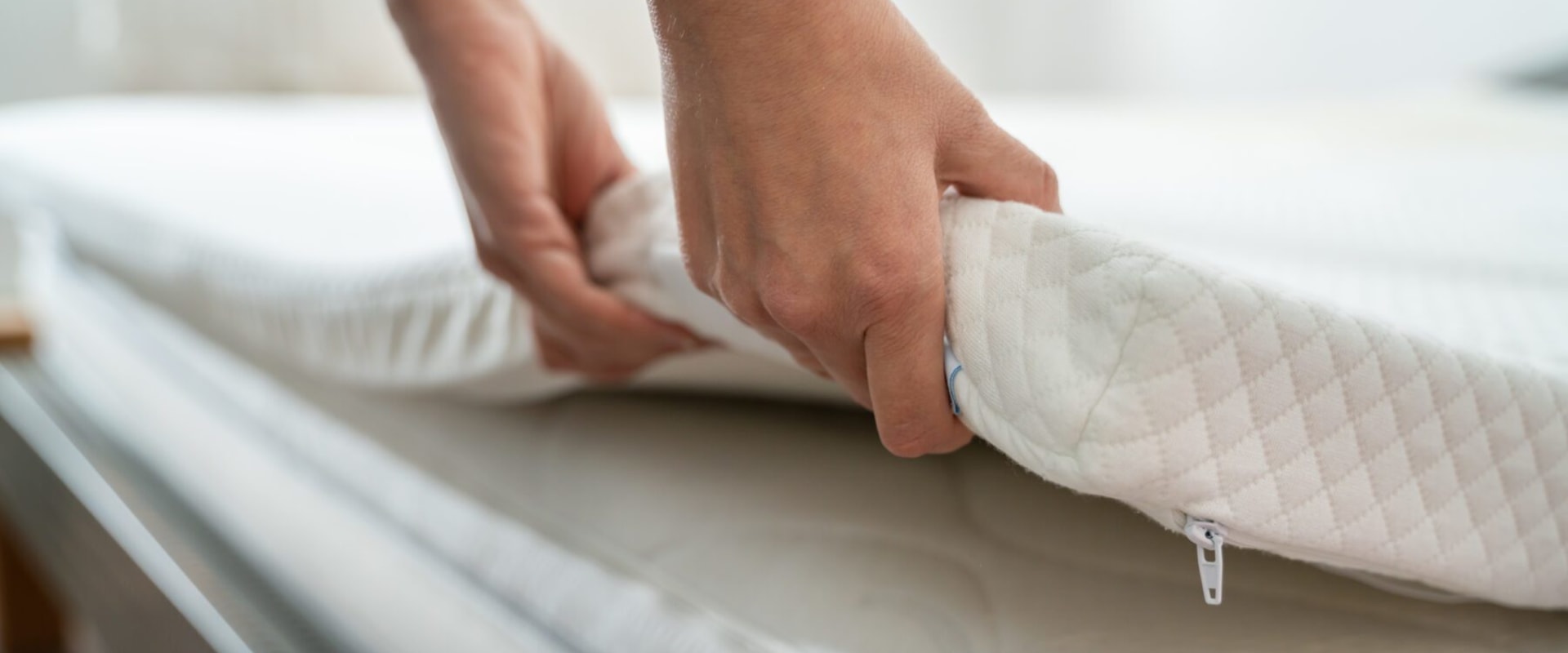
Remove all sheets, pillowcases, mattress protectors, and covers. Bag them immediately to prevent spreading bed bugs to other areas. In cleanouts, skipping this step is one of the most common mistakes we see.
Step 2: Inspect Mattress Seams and Edges
Focus on seams, piping, stitching, and tags. These tight spaces provide ideal hiding spots. Look for:
Small black or brown ink-like spots
Tiny white eggs or eggshells
Shed skins or translucent casings
These signs usually appear long before a live bug is spotted, which is why awareness from homeowners and home health aides can play an important role in early detection.
Step 3: Check the Mattress Surface Closely
Scan the top and sides of the mattress under bright light. Bed bug evidence often appears near areas where the body rests for long periods. Pay extra attention to discoloration that doesn’t brush off.
Step 4: Flip the Mattress and Inspect the Underside
The underside is frequently overlooked. From experience, this is where we often find clusters of fecal spots or skins—especially near corners and seams closest to the bed frame.
Step 5: Examine the Box Spring and Bed Frame
Lift the mattress and inspect:
Box spring fabric and seams
Wooden slats and joints
Screw holes and cracks
If bed bugs are present, they rarely stay in just one place.
Step 6: Use the Water Test on Suspicious Spots
Lightly dab dark marks with a damp cloth. Bed bug fecal spots will smear like diluted ink. Dirt and debris will not.
“During mattress inspections, we almost always find signs hidden in seams or underneath—areas people don’t think to check. Catching those early usually means the infestation hasn’t spread yet.”

Essential Resources
EPA Bed Bug Guide — Identification & Safe Treatment
https://www.epa.gov/bedbugs
Clear guidance on spotting bed bugs, understanding treatment options, and avoiding unsafe pesticide use.
Clear guidance on spotting bed bugs, understanding treatment options, and avoiding unsafe pesticide use.
CDC Bed Bug Resource — Health & Prevention
https://www.cdc.gov/parasites/bedbugs
Medical insight into bites, symptoms, and prevention strategies backed by public health research.
Medical insight into bites, symptoms, and prevention strategies backed by public health research.
NPMA Bed Bug Guide — Professional Detection Tips
https://www.pestworld.org/pest-guide/bed-bugs
Industry-backed advice on early signs and when professional intervention is needed.
Industry-backed advice on early signs and when professional intervention is needed.
Mayo Clinic — Bed Bug Bite Identification
https://www.mayoclinic.org/diseases-conditions/bed-bugs
Helpful for distinguishing bed bug bites from other skin reactions.
Helpful for distinguishing bed bug bites from other skin reactions.
Harvard T.H. Chan — Bed Bug Research & Spread
https://www.hsph.harvard.edu/bedbugs
Explains why bed bugs persist and how infestations spread.
Explains why bed bugs persist and how infestations spread.
University of Kentucky Entomology — Bed Bug Biology
https://entomology.ca.uky.edu/ef636
Highly cited academic breakdown of bed bug behavior and control.
Highly cited academic breakdown of bed bug behavior and control.
Consumer Reports — Treatment Expectations
https://www.consumerreports.org/pests/how-to-get-rid-of-bed-bugs-a3329821929
Real-world testing and advice on what actually works.
Real-world testing and advice on what actually works.
Supporting Statistics
Less than 30% of Americans can identify bed bugs correctly
Source: NPMA / Harris Poll
https://www.pestworld.org/news-hub/pest-articles/bed-bug-survey-results-facts/
Only 28% of travelers check hotel mattresses for bed bugs
Source: NPMA / Harris Poll
https://www.pestworld.org/news-hub/pest-articles/bed-bug-survey-results-facts/
Over 80% of pest professionals treat bed bugs annually
Source: NPMA / University of Florida
https://www.pestworld.org/news-hub/pest-articles/bed-bug-survey-results-facts/
20+ U.S. states have bed bug–specific regulations
Source: U.S. EPA
https://www.epa.gov/bedbugs/bed-bug-laws-and-regulations
These statistics highlight how commonly bed bugs go undetected and widespread infestations remain across the U.S., reinforcing the importance of early awareness, prevention, and supportive home maintenance measures such as dryer vent cleaning services to reduce conditions that allow problems to escalate.
Less than 30% of Americans can identify bed bugs correctly
Source: NPMA / Harris Poll
https://www.pestworld.org/news-hub/pest-articles/bed-bug-survey-results-facts/
Only 28% of travelers check hotel mattresses for bed bugs
Source: NPMA / Harris Poll
https://www.pestworld.org/news-hub/pest-articles/bed-bug-survey-results-facts/
Over 80% of pest professionals treat bed bugs annually
Source: NPMA / University of Florida
https://www.pestworld.org/news-hub/pest-articles/bed-bug-survey-results-facts/
20+ U.S. states have bed bug–specific regulations
Source: U.S. EPA
https://www.epa.gov/bedbugs/bed-bug-laws-and-regulations
Final Thought & Opinion
Bed bug infestations almost never announce themselves clearly. In real inspections, mattresses quietly hold the earliest evidence—long before bugs are seen crawling. People who check thoroughly and early usually avoid major disruption. Those who don’t often face widespread contamination.
From firsthand experience, mattress inspections are the turning point. They determine whether the problem stays manageable or becomes overwhelming.
Bed bugs don’t spread overnight—but ignoring the mattress allows them to.
Next Steps
Inspect weekly if you suspect exposure
Perform a full mattress and bed frame inspection at least once a week, especially after travel, overnight guests, or staying in shared living spaces. Early, repeat checks help catch activity before it spreads.
Bag and wash bedding immediately if signs appear
Place sheets, pillowcases, and mattress covers in sealed plastic bags before moving them. Wash in hot water and dry on the highest heat setting for at least 30 minutes to kill bed bugs and eggs.
Avoid moving the mattress to other rooms
Relocating a mattress can spread bed bugs to new areas of your home. Keep the mattress in place until the situation is fully assessed or professionally handled.
Check nearby furniture for secondary spread
Inspect nightstands, headboards, couches, and upholstered furniture near the bed. Bed bugs often move short distances to hide after feeding.
Call professionals early if evidence returns
If stains, skins, or other signs reappear after cleaning, professional help through private home care is strongly recommended. Early intervention can prevent widespread infestation and reduce the need for large-scale removal.
Inspect weekly if you suspect exposure
Perform a full mattress and bed frame inspection at least once a week, especially after travel, overnight guests, or staying in shared living spaces. Early, repeat checks help catch activity before it spreads.
Bag and wash bedding immediately if signs appear
Place sheets, pillowcases, and mattress covers in sealed plastic bags before moving them. Wash in hot water and dry on the highest heat setting for at least 30 minutes to kill bed bugs and eggs.
Avoid moving the mattress to other rooms
Relocating a mattress can spread bed bugs to new areas of your home. Keep the mattress in place until the situation is fully assessed or professionally handled.
Check nearby furniture for secondary spread
Inspect nightstands, headboards, couches, and upholstered furniture near the bed. Bed bugs often move short distances to hide after feeding.
Call professionals early if evidence returns
If stains, skins, or other signs reappear after cleaning, professional help through private home care is strongly recommended. Early intervention can prevent widespread infestation and reduce the need for large-scale removal.
FAQ on Bed Bugs
Q: Where should I look first on a mattress?
A: Check seams, piping, tags, and corners first. These tight areas are the most common hiding spots.
Q: Do I need special tools to inspect a mattress?
A: No special tools are required. A bright light and careful inspection are usually enough early on.
Q: Can bed bugs live inside the mattress?
A: They usually stay in seams and folds near the surface, not deep inside the mattress filling.
Q: How often should I check my mattress for bed bugs?
A: Inspect weekly if you suspect exposure or after travel. Otherwise, periodic checks help catch early signs.
Q: What if I only find stains but no bugs?
A: That’s common. Stains often appear first, so monitor closely and act quickly if they return.
A: Check seams, piping, tags, and corners first. These tight areas are the most common hiding spots.
A: No special tools are required. A bright light and careful inspection are usually enough early on.
A: They usually stay in seams and folds near the surface, not deep inside the mattress filling.
A: Inspect weekly if you suspect exposure or after travel. Otherwise, periodic checks help catch early signs.
A: That’s common. Stains often appear first, so monitor closely and act quickly if they return.