Drawing from real junk removal work in homes, apartments, offices, and multi-unit buildings, this guide breaks down exactly how junk removal works step by step. It explains what happens before a truck ever arrives, how items are assessed and removed on-site, and what occurs after your junk leaves the property. If you’ve ever wondered how junk removal is priced, why preparation matters, or what really happens to your items after pickup, this article gives you a clear, experience-based view of the entire process—so you can approach junk removal with confidence and realistic expectations.
Quick Answers
What is junk removal?
Junk removal is a full-service solution for removing unwanted items from homes and businesses. From a provider’s perspective, it includes lifting, loading, hauling, and responsible disposal—eliminating the need for customers to move heavy or bulky items themselves.
Junk removal typically helps you:
Remove furniture, appliances, and accumulated clutter
Avoid heavy lifting and multiple trips
Ensure items are handled responsibly after pickup
When items are clearly identified and accessible, the junk removal process runs faster and with fewer interruptions, supporting smoother coordination alongside valet trash service for ongoing waste management.
Top Takeaways
Junk removal follows a process.
Each step is designed to improve safety, speed, and efficiency.Preparation affects every stage.
Identified and staged items keep jobs on schedule.Bulky items require planning.
Furniture and appliances influence labor and timing.Sorting supports responsible disposal.
Hazardous and reusable items should be separated.Clear communication prevents delays.
Walkthroughs ensure nothing is missed.
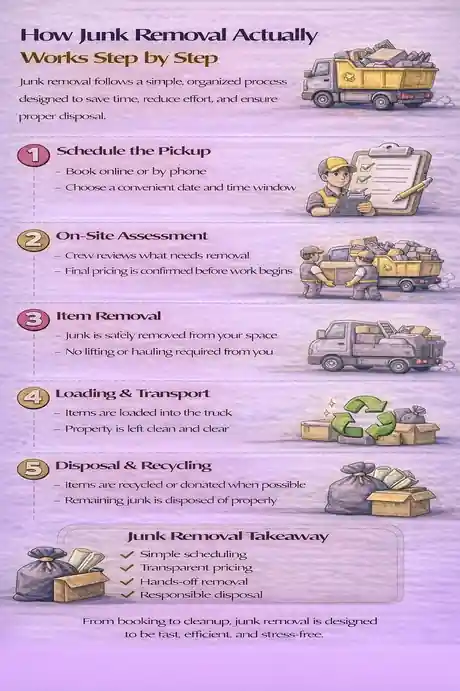
How Professional Junk Removal Is Handled From Start to Finish
Step 1: Identify Items for Removal
The process begins by identifying exactly what needs to be removed. Walking through the space and separating junk from items you’re keeping or donating prevents mistakes and speeds up on-site work. Items requiring special handling—such as appliances or construction debris—should be noted in advance so crews arrive prepared.
Step 2: Stage Items for Efficient Loading
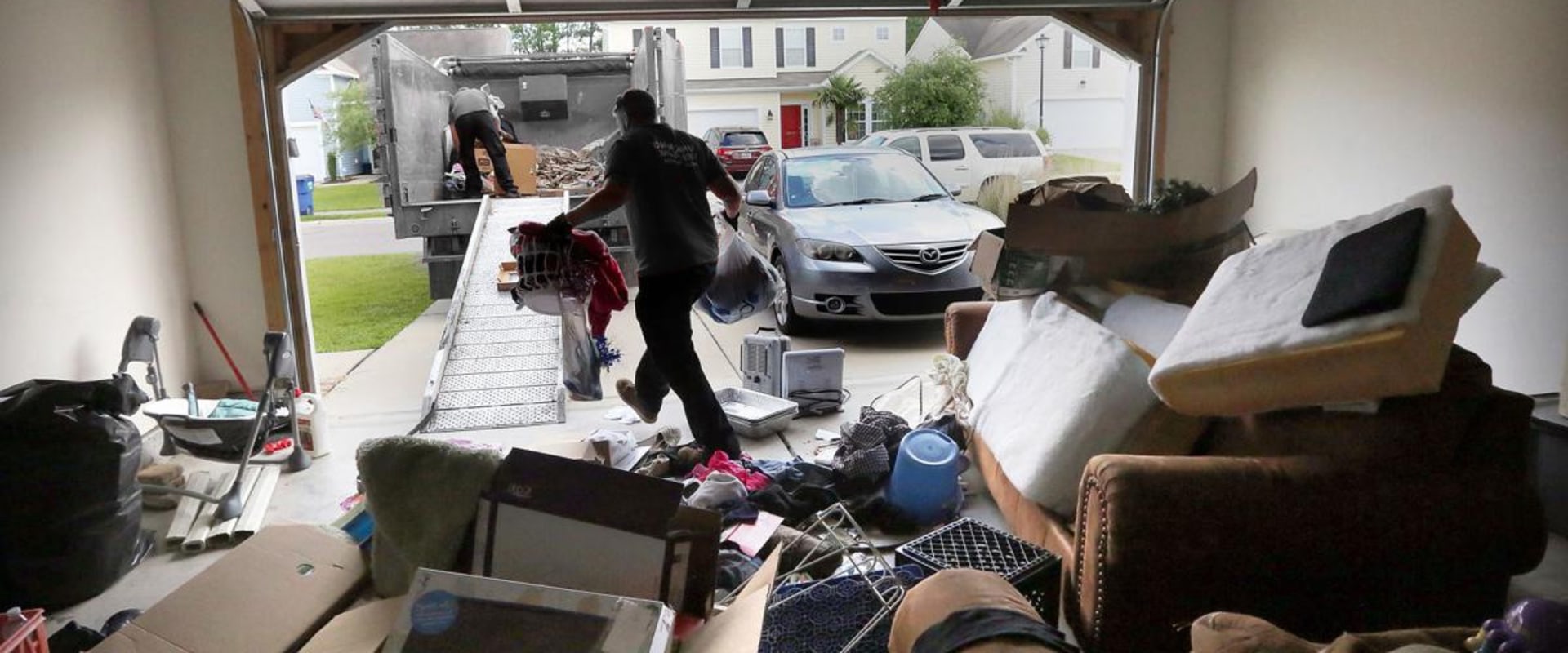
Once items are identified, staging plays a major role. Grouping junk in centralized locations like garages, driveways, or near exits reduces loading time and unnecessary movement. When items are spread across multiple rooms or floors, letting the team know ahead of time helps them plan efficiently.
Step 3: Prepare Access Points
Clear access is critical to safe junk removal. Hallways, staircases, and doorways should be free of obstacles. Pets should be secured, and access to elevators, loading zones, or gates should be arranged ahead of time to avoid interruptions during removal.
Step 4: Separate Restricted or Hazardous Materials
Certain materials cannot be handled through standard junk removal. Items such as chemicals, fuels, batteries, and some electronics need special disposal. Separating these items ahead of time allows crews to advise on proper next steps and keeps the job moving smoothly.
Step 5: Confirm Details on Arrival
Most junk removal jobs begin with a brief walkthrough. This final confirmation ensures nothing is removed by mistake and allows quick clarification before loading begins. Being available at this stage helps the entire process stay efficient and accurate.
“In day-to-day junk removal work, the smoothest jobs always follow the same pattern: items are clearly identified, access is prepared, and details are confirmed before loading begins. When those steps are in place, removal is safer, faster, and far more predictable for everyone involved, including situations tied to prіvаtе hоmе саrе where reliability and coordination matter even more.”
Essential Resources for Junk Removal
Understand Real Junk Removal Costs
Resource: Junk Removal Cost Estimation Guide
https://getwecycle.com/resources/junk-removal-cost-estimate
Explains pricing factors and what influences final junk removal costs.
Get Junk Removal Pricing in Minutes
Resource: Instant Junk Removal Pricing Tool
https://goloadup.com/pricing/
Provides quick cost estimates and service availability.
Compare Top Junk Removal Companies
Resource: Forbes Company Rankings
https://www.forbes.com/home-improvement/moving-services/best-junk-removal-companies/
Editorial comparison of leading junk removal providers.
Learn the Full Junk Removal Process
Resource: Junk Removal Process Guide
https://junksmiths.com/junk-and-garbage-removal-guide/
Breaks down what happens from booking through disposal.
Explore Eco-Friendly Disposal Options
Resource: Eco-Friendly Junk Removal
https://getwecycle.com/blogs/eco-friendly-junk-removal
Shows how items are recycled or donated when possible.
Know What Services Will Accept
Resource: Junk Removal Services Explained
https://www.junk.com/howitworks
Clarifies accepted and restricted items.
Find Local Junk Removal Pros
Resource: Provider Directory
https://homeguide.com/waste-and-junk-removal
Helps compare local junk removal professionals.
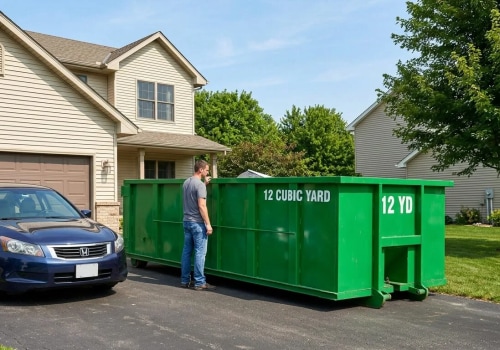
These resources help homeowners understand junk removal pricing, processes, provider options, and responsible disposal, while also clarifying when dumpster rental may be a more practical choice for managing larger volumes of junk or extended cleanout projects.
Supporting Statistics
National data mirrors what junk removal crews see on job sites every day.
1. The Scale of Junk in the U.S.
The EPA reports over 292 million tons of municipal solid waste each year.
That’s nearly 5 pounds per person, per day.
In real junk removal jobs, this often means years of accumulated items—making clear identification the first critical step.
Source: https://www.epa.gov/facts-and-figures-about-materials-waste-and-recycling/national-overview-facts-and-figures-materials-waste-and-recycling
2. Bulky Items Create the Biggest Challenges
Durable goods (furniture, large household items) send 37+ million tons to landfills annually.
These items drive most safety and access planning during junk removal.
Staging and clear pathways significantly reduce loading time.
Source: https://www.epa.gov/facts-and-figures-about-materials-waste-and-recycling/durable-goods-product-specific-data
3. Appliances Require Advance Planning
Major appliances generate over 5 million tons of waste each year.
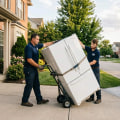
Appliances often need extra labor and special lifting techniques.
Flagging them early keeps junk removal efficient and safe.
Source: https://www.epa.gov/facts-and-figures-about-materials-waste-and-recycling/durable-goods-product-specific-data
4. Restricted Items Are Common
8+ million pounds of batteries were collected for recycling in the U.S. in 2023.
Batteries and similar items frequently appear during cleanouts.
Separating them ahead of time prevents delays on removal day.
Source: https://www.call2recycle.org/call2recycle-releases-2023-u-s-national-battery-collection-recycling-data/
These statistics reinforce why clear identification, staging, and access planning are essential for efficient junk removal, and how using a garage cleanout checklist helps organize bulky items, flag restricted materials, and prevent delays or safety issues on removal day.
Final Thought & Opinion
From experience, junk removal works best when it’s treated as a step-by-step process rather than a single task. Each phase builds on the next, and small details often make the biggest difference. Jobs that follow a clear process consistently finish faster, operate more safely, and deliver better disposal outcomes.
In practice, a structured approach leads to:
Faster and more efficient completion
Safer handling of heavy or bulky items
Improved donation and recycling results
Fewer surprises on removal day
Bottom line: when junk removal is approached methodically, the entire experience is smoother, more predictable, and far less stressful.
FAQ on Junk Removal
Q: What items can junk removal services take?
A: Furniture, appliances, electronics, yard debris, and household junk. Hazardous items must be separated.
Q: How is junk removal priced?
A: Pricing depends on volume, item size, and labor required.
Q: Do I need to be present during removal?
A: Being available for the initial walkthrough helps ensure accuracy.
Q: How long does junk removal take?
A: Most jobs are completed in one visit, often under an hour.
Q: What happens after junk is removed?
A: Items are donated, recycled, or disposed of according to local regulations.