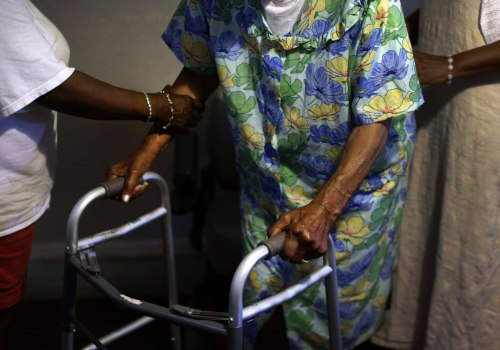
Family caregiving in Florida is a vital yet often overlooked aspect of the healthcare system. Many families find themselves in the role of caregiver, providing essential support to elderly relatives or those with disabilities. This responsibility can be both rewarding and overwhelming, as caregivers navigate the complexities of their loved ones' needs while managing their own lives. The emotional toll of caregiving can be significant, often leading to feelings of stress, isolation, and burnout.In Florida, where the population of seniors is rapidly increasing, the demand for family caregivers is more pronounced than ever.
Caregivers frequently face challenges such as balancing work commitments, personal relationships, and their own health while ensuring that their family members receive the best possible care. The financial implications can also be daunting; many caregivers may have to reduce their working hours or even leave their jobs entirely to provide necessary support. This can lead to a precarious financial situation, making it crucial for caregivers to explore available resources and programs that can help alleviate some of these burdens.Moreover, the emotional support that caregivers provide is invaluable. They often become the primary source of companionship and understanding for their loved ones, which can enhance the quality of life for both parties.
However, it is essential for caregivers to also seek support for themselves. Engaging with local community resources, support groups, and educational programs can help caregivers manage their responsibilities more effectively while ensuring they do not neglect their own well-being.As we delve deeper into this guide on how to get paid for taking care of a family member in Florida, it is important to recognize the multifaceted nature of caregiving. Understanding the challenges faced by family caregivers will not only highlight the importance of this role but also underscore the necessity for supportive measures that can ease their journey.
Eligibility Criteria for Caregiver Compensation Programs
Understanding the eligibility criteria for caregiver compensation programs in Florida is essential for family members who wish to receive payment for their caregiving services. Each program has specific requirements that must be met, which can vary based on factors such as income, the level of care needed, and the relationship between the caregiver and the recipient.State Managed Care Medicaid Long-Term Care Program
The State Managed Care Medicaid Long-Term Care (SMMC LTC) program is one of the primary avenues for family caregivers to receive compensation.To qualify for this program, applicants must meet several criteria:
- Age and Disability: The individual receiving care must be aged 65 or older or have a qualifying disability.
- Income Limits: There are strict income limits that both the caregiver and the care recipient must adhere to. Generally, the recipient's income should not exceed a certain threshold, which is adjusted annually.
- Asset Limits: The care recipient's assets must also fall below a specified limit. This includes savings, property, and other resources.
- Level of Care: The individual must require a level of care that would typically be provided in a nursing facility but can be managed at home.
Veterans Pension Program
For those caring for veterans, the Veterans Pension Program offers another option for financial assistance. Eligibility criteria include:- Service Requirements: The veteran must have served in active duty and meet specific service-related criteria.
- Disability Status: The veteran must have a documented disability or be aged 65 or older.
- Income and Asset Limits: Similar to the SMMC LTC program, there are income and asset limits that apply to both the veteran and their spouse.
Medicare Coverage
While Medicare does not typically cover long-term care services, it does provide some coverage for home health care services.To qualify for payment as a caregiver under Medicare:
- Eligibility for Medicare: The individual receiving care must be eligible for Medicare due to age or disability.
- Home Health Services: The services provided by the caregiver must fall under Medicare’s definition of home health care, which includes skilled nursing care or therapy services.
State Managed Care Medicaid Long-Term Care Program (SMMC LTC)
The State Managed Care Medicaid Long-Term Care Program (SMMC LTC) is a vital resource for families in Florida who are navigating the complexities of caregiving for elderly or disabled loved ones. This program is specifically designed to provide financial assistance to individuals who require a level of care typically found in nursing facilities but prefer to receive that care in the comfort of their own homes.One of the most significant advantages of the SMMC LTC program is its participant-directed option. This feature allows eligible individuals to choose their caregivers, which means that family members can be compensated for the care they provide.This not only helps alleviate the financial burden on families but also ensures that loved ones receive care from someone they trust.To qualify for the SMMC LTC program, applicants must meet specific criteria related to income, assets, and the level of care required. Generally, individuals must demonstrate that they have a medical need for long-term care services, which can include assistance with daily living activities such as bathing, dressing, and meal preparation.Eligibility requirements typically include:
- Age: Applicants must be 65 years or older or have a qualifying disability.
- Income Limits: There are income thresholds that applicants must not exceed to qualify for Medicaid assistance.
- Asset Limits: Applicants must also meet asset limits, which vary depending on whether they are single or married.
- Medical Necessity: A physician's assessment is required to establish the need for long-term care services.
By understanding how this program works and who qualifies, families can take advantage of the support available to them, ensuring that their loved ones receive the best possible care while also providing financial relief to those who dedicate their time and effort to caregiving.
Veterans Pension Program: Support for Veteran Caregivers
The Veterans Pension Program is a vital resource for caregivers of veterans in Florida, offering financial assistance to those who provide care for eligible veterans. This program is designed to support veterans who have limited income and require assistance with daily living activities due to age or disability. By understanding the benefits and eligibility requirements of this program, caregivers can access much-needed financial support.One of the primary benefits of the Veterans Pension Program is the Aid and Attendance benefit, which provides additional financial assistance to veterans who need help with personal care services. This benefit can be particularly beneficial for family members who are acting as caregivers, as it allows them to receive compensation for their caregiving efforts.The Aid and Attendance benefit can cover a range of services, including:
- Assistance with bathing, dressing, and grooming
- Help with meal preparation and feeding
- Medication management
- Transportation to medical appointments
- Household chores and maintenance
- Have served on active duty for at least 90 days, with at least one day during a period of war.
- Have a total and permanent disability or be aged 65 or older.
- Meet income and asset limits set by the Department of Veterans Affairs (VA).
Medicare and Home Health Services Coverage
Medicare plays a crucial role in providing financial assistance for home health services, which can significantly benefit family caregivers in Florida.Understanding how Medicare covers these services is essential for caregivers looking to receive payment for their efforts.
What Are Medicare Home Health Services?
Medicare home health services are designed to assist individuals who require medical care but prefer to receive it in the comfort of their own homes. These services typically include:
- Skilled nursing care: This includes services provided by registered nurses or licensed practical nurses, such as wound care, medication management, and monitoring of health conditions.
- Physical therapy: Physical therapists help patients regain mobility and strength through tailored exercise programs.
- Occupational therapy: Occupational therapists assist individuals in performing daily activities and improving their quality of life.
- Speech-language pathology: This service helps individuals with speech or swallowing difficulties.
- Home health aide services: Home health aides provide personal care assistance, including bathing, dressing, and meal preparation.
Eligibility for Medicare Home Health Services
To qualify for Medicare home health services, the following criteria must be met:
- The individual must be under the care of a doctor who has established a plan of care.
- The individual must be homebound, meaning that leaving home requires considerable effort or assistance.
- The services must be deemed medically necessary and provided by a Medicare-certified home health agency.
Payment for Family Caregivers
While Medicare does not directly pay family members for caregiving, it does cover certain home health services that family caregivers may provide. For instance, if a family caregiver is trained and certified to deliver specific medical tasks under the supervision of a healthcare professional, they may be compensated through the home health agency's billing to Medicare. This arrangement allows family caregivers to receive payment while ensuring that the care provided meets Medicare's standards.Additionally, family caregivers can explore other avenues for compensation through state programs or private insurance plans that may offer reimbursement for caregiving services.
Understanding these options can help alleviate some financial burdens associated with caregiving responsibilities.
Self-Directed Services: Empowering Family Caregivers
In Florida, the State Managed Care Medicaid Long-Term Care (SMMC LTC) program offers a unique opportunity for family caregivers through its self-directed services option. This approach empowers caregivers by allowing them to take control of the care they provide to their loved ones, ensuring that the services align with both the needs of the care recipient and the preferences of the caregiver.Self-directed services are designed to give caregivers the flexibility to choose their own providers for personal care services. This means that family members can select individuals who they trust and feel comfortable with, rather than being limited to a list of pre-approved providers. This level of control is crucial for many families, as it fosters a more personalized and effective caregiving experience.Here are some key benefits of self-directed services under the SMMC LTC program:- Personalized Care: Caregivers can tailor the care plan to meet the specific needs of their loved ones, ensuring that they receive the most appropriate support.
- Trust and Comfort: By choosing their own caregivers, families can ensure that their loved ones are cared for by individuals they know and trust, which can significantly enhance the emotional well-being of both parties.
- Flexibility: Self-directed services allow caregivers to adjust care schedules and services as needed, accommodating changes in health status or personal preferences.
- Empowerment: This model encourages caregivers to take an active role in managing care, which can lead to increased confidence and satisfaction in their caregiving abilities.
This typically involves an assessment of the care recipient's needs and a determination of the level of care required. Once approved, caregivers can begin selecting providers for personal care services such as bathing, grooming, meal preparation, and companionship.In conclusion, self-directed services represent a significant advancement in caregiving options available in Florida. By allowing family members to choose their own providers, this approach not only enhances the quality of care but also empowers caregivers to take charge of their caregiving journey. For families navigating the complexities of caregiving, understanding and utilizing these self-directed services can make a profound difference in both their lives and those of their loved ones.
Tax Benefits and Financial Assistance for Caregivers
For family caregivers in Florida, understanding the available tax benefitstax benefits and financial assistance options is crucial for alleviating the financial strain that often accompanies caregiving responsibilities.Here are some key avenues to explore:
- Dependent Care Tax Credit: If you are a working caregiver who pays for someone to take care of your dependent while you work or look for work, you may qualify for the Dependent Care Tax Credit. This credit can cover a portion of your caregiving expenses, providing significant financial relief.
- Medical Expense Deductions: Caregivers can deduct certain medical expenses incurred while caring for a dependent. This includes costs related to medical treatments, prescriptions, and even transportation expenses for medical appointments. To qualify, these expenses must exceed 7.5% of your adjusted gross income (AGI).
- Tax-Free Reimbursements: If you are reimbursed by a state program or through a long-term care insurance policy for caregiving expenses, these reimbursements are typically tax-free.
This means you can receive financial support without incurring additional tax liabilities.
- Florida’s Medicaid Waiver Programs: While not directly a tax benefit, Florida’s Medicaid Waiver Programs can provide financial assistance to caregivers. These programs may cover costs associated with in-home care services, allowing family members to be compensated for their caregiving efforts. While not directly a tax benefit, Florida’s Medicaid Waiver Programs can provide financial assistance to caregivers. These programs may cover costs associated with in-home care services, allowing family members to be compensated for their caregiving efforts.
By taking advantage of these resources, caregivers can focus more on providing quality care rather than worrying about financial constraints.
Training and Certification for Family Caregivers
As a family caregiver in Florida, acquiring the right training and certification is essential not only for your personal development but also for ensuring the safety and well-being of your loved one. The responsibilities of caregiving can be complex, requiring a range of skills that go beyond basic assistance. Engaging in formal training programs can equip you with the necessary knowledge and techniques to provide high-quality care.Caregiver Training in Florida
- Understanding Medical Needs: Training programs often cover essential topics such as medication management, understanding chronic illnesses, and recognizing signs of distress. This knowledge is crucial for responding effectively to your family member's health needs.
- Personal Care Skills: Many programs focus on personal care techniques, including bathing, grooming, and mobility assistance.
Learning these skills can enhance the quality of care you provide.
- Communication Techniques: Effective communication is vital in caregiving. Training can help you learn how to communicate with your loved one, especially if they have cognitive impairments or hearing difficulties.
Certification Programs
In Florida, several organizations offer certification programs specifically designed for family caregivers. These certifications can enhance your credibility and demonstrate your commitment to providing quality care. Some notable programs include:
- The National Caregiver Certification Program (NCCP): This program provides comprehensive training on various aspects of caregiving, including legal issues, ethics, and practical skills.
- The Certified Nursing Assistant (CNA) Program: While this program is more intensive, it offers valuable skills that can be beneficial for family caregivers who want to deepen their understanding of healthcare practices.
- Online Courses: Many institutions offer online courses that allow flexibility in learning.
These courses often cover essential topics like first aid, CPR, and emergency response.
CPR Training for Caregivers
One of the most critical skills a caregiver can possess is the ability to perform CPR (Cardiopulmonary Resuscitation). In emergencies, knowing how to respond quickly can save a life. Florida offers various CPR training courses tailored for caregivers:
- AHA CPR Certification: The American Heart Association provides CPR training that includes hands-on practice and certification upon completion.
- Local Community Classes: Many community centers and hospitals offer free or low-cost CPR classes specifically designed for caregivers.
Resources and Support Networks for Family Caregivers in Florida
Family caregivers in Florida often face unique challenges, and having access to the right resources and support networks can make a significant difference in their caregiving journey.Fortunately, there are numerous organizations and services available that cater specifically to the needs of family caregivers.
1.Caregiver Support Groups
- Many local communities offer support groups where caregivers can connect with others facing similar challenges. These groups provide a safe space to share experiences, seek advice, and find emotional support.
- Organizations like the Alzheimer's Association and AARP host regular meetings and workshops that focus on caregiver education and peer support.
2.Community Resources
- Area Agencies on Aging (AAA): These agencies provide a wealth of information about local services, including respite care, transportation assistance, and meal delivery programs tailored for seniors and their caregivers.
- Florida Department of Elder Affairs: This state department offers various resources for family caregivers, including educational materials, training programs, and access to local services.
3.Online Resources
- The National Alliance for Caregiving provides a comprehensive online resource center with tools, articles, and guides specifically designed for family caregivers.
- Caregiver Action Network: This organization offers a wealth of information on caregiving topics, including financial assistance options, self-care tips, and legal resources.
4.Local Nonprofits and Charities
- Many nonprofit organizations in Florida focus on supporting caregivers through various programs. For example, The Caregiver Foundation offers grants to help cover caregiving expenses.
- Senior Resource Alliance: This nonprofit provides information about local services and can assist caregivers in navigating available resources.
<strong>Conclusion</strong>
In conclusion, navigating the landscape of caregiving in Florida can be both challenging and rewarding.As we have explored throughout this article, there are numerous options available for family caregivers seeking financial assistance and support. Understanding these resources is crucial for alleviating the emotional and financial burdens that often accompany caregiving responsibilities.
Summary of Caregiver Options
- The State Managed Care Medicaid Long-Term Care (SMMC LTC) program offers a pathway for family members to receive compensation for providing care to their elderly loved ones, allowing them to choose their caregivers.
- The Veterans Pension Program provides financial support specifically for those caring for veterans, ensuring that they receive the assistance they need.
- Medicare may cover certain home health care services, enabling family caregivers to be compensated for specific medical tasks.
- Self-directed services under the SMMC LTC program allow caregivers to select their providers, giving them more control over the care process.
- Tax benefits can also provide financial relief for caregivers who have incurred expenses while caring for dependents.
Florida Caregiver Resources
Florida offers a wealth of resources aimed at supporting family caregivers. From training programs that equip caregivers with essential skills to local organizations that provide guidance and assistance, it is vital to tap into these resources. Engaging with community support groups can also provide emotional relief and practical advice from others in similar situations.
Financial Assistance Summary
The financial assistance options available in Florida are designed to ease the burden on family caregivers.
By exploring programs like SMMC LTC, the Veterans Pension Program, and potential tax benefits, caregivers can find ways to receive compensation for their invaluable work. It is essential to assess your eligibility for these programs and take proactive steps to apply.Ultimately, being a caregiver is a significant commitment that requires not only emotional strength but also practical knowledge of available resources. By understanding and utilizing the options discussed in this article, you can ensure that you are not only providing care but also receiving the support you deserve. Take action today by researching these programs and reaching out to local resources to enhance your caregiving journey.